Understanding the Role of Non-Medical Caregivers in Omaha
Introduction to Non-Medical Caregiving
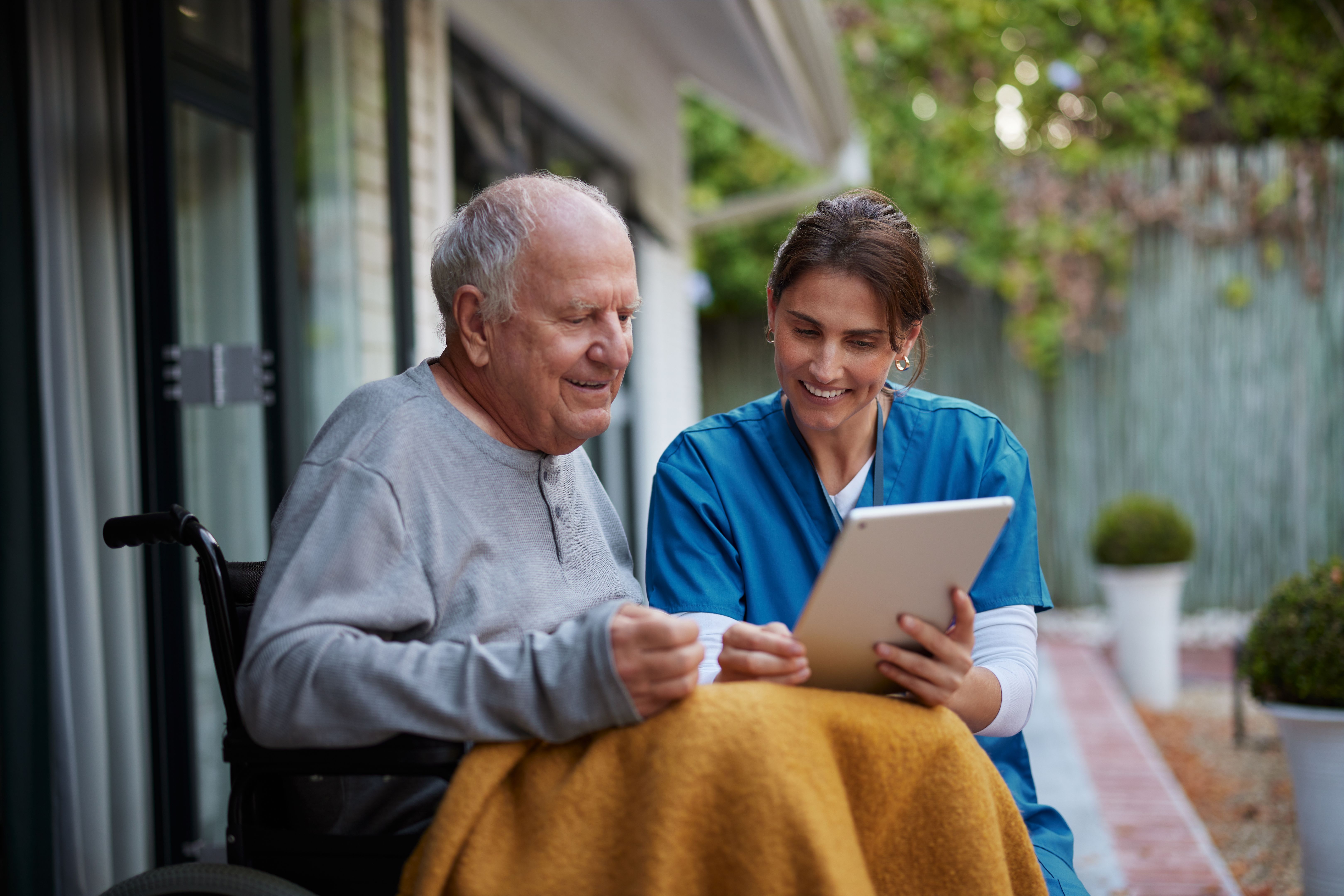
In Omaha, non-medical caregivers play a crucial role in supporting individuals who require assistance with daily activities. These dedicated professionals provide essential services that enhance the quality of life for seniors and individuals with disabilities. Unlike medical caregivers, non-medical caregivers focus on personal care and companionship rather than medical treatments.
Key Responsibilities of Non-Medical Caregivers
Non-medical caregivers assist with a variety of tasks, ensuring that their clients can maintain a sense of independence. Some of the primary responsibilities include:
- Assisting with daily living activities such as bathing, dressing, and grooming.
- Providing companionship and emotional support.
- Helping with meal preparation and dietary needs.
- Offering transportation and mobility assistance.
- Managing household chores and errands.
The Importance of Companionship
One of the most significant roles of non-medical caregivers is offering companionship. Social interaction is vital for mental and emotional well-being, especially for seniors who may experience isolation. Regular visits from a caregiver can provide much-needed social engagement and prevent loneliness.

Tailored Care Plans
Non-medical caregivers in Omaha tailor their services to meet the unique needs of each individual. Care plans are often developed in collaboration with families to ensure that all aspects of the client's life are considered. This personalized approach ensures that each client receives the appropriate level of care and support.
Supporting Families
Families often find themselves overwhelmed when caring for a loved one. Non-medical caregivers provide valuable respite for family members, allowing them to take a break while knowing their loved one is in capable hands. This support can significantly reduce stress and improve family dynamics.
Choosing the Right Caregiver
Selecting the right caregiver is a crucial decision. Families should consider factors such as experience, compatibility, and the specific needs of their loved one. Many agencies in Omaha offer comprehensive background checks and training programs to ensure that caregivers are well-qualified.
The Impact on the Community
Non-medical caregivers contribute significantly to the Omaha community by enabling seniors and individuals with disabilities to remain in their homes. This not only enhances individual well-being but also supports the local economy by providing jobs and reducing the need for institutional care.

Conclusion
Understanding the role of non-medical caregivers in Omaha highlights their invaluable contribution to the community. By providing personalized care and companionship, these caregivers play a vital part in enhancing the lives of those they serve. As the demand for non-medical care continues to grow, their role will become increasingly important in supporting the well-being of Omaha's residents.