Top Questions About Senior Care in Omaha Answered
Understanding Senior Care Options
When considering senior care in Omaha, families often ask about the different types of care available. The main options include in-home care, assisted living, and nursing homes. Each of these options offers unique benefits, tailored to meet the varying needs of seniors.
In-home care is ideal for seniors who prefer to stay in their own homes while receiving assistance with daily activities. This type of care can include help with personal hygiene, meal preparation, and medication management.

Assisted living facilities provide a more community-oriented environment where seniors can enjoy social activities while receiving necessary support. Nursing homes offer more intensive medical care for those with significant health needs.
Costs and Financial Assistance
One of the most pressing questions is about the costs associated with senior care. In Omaha, the cost can vary greatly depending on the type of care and the facility. Generally, in-home care tends to be less expensive than assisted living or nursing homes.
Many families explore financial assistance options to help cover these costs. Medicare, Medicaid, and veterans' benefits are common sources of assistance. Additionally, some facilities offer sliding scale fees based on income.

Choosing the Right Facility
Choosing the right senior care facility involves assessing both the current and future needs of your loved one. It's essential to visit multiple facilities to get a sense of the environment, staff, and available services.
Consider factors such as location, amenities, and the ratio of staff to residents. Speaking with current residents and their families can also provide valuable insights into the quality of care.
Quality of Life and Activities
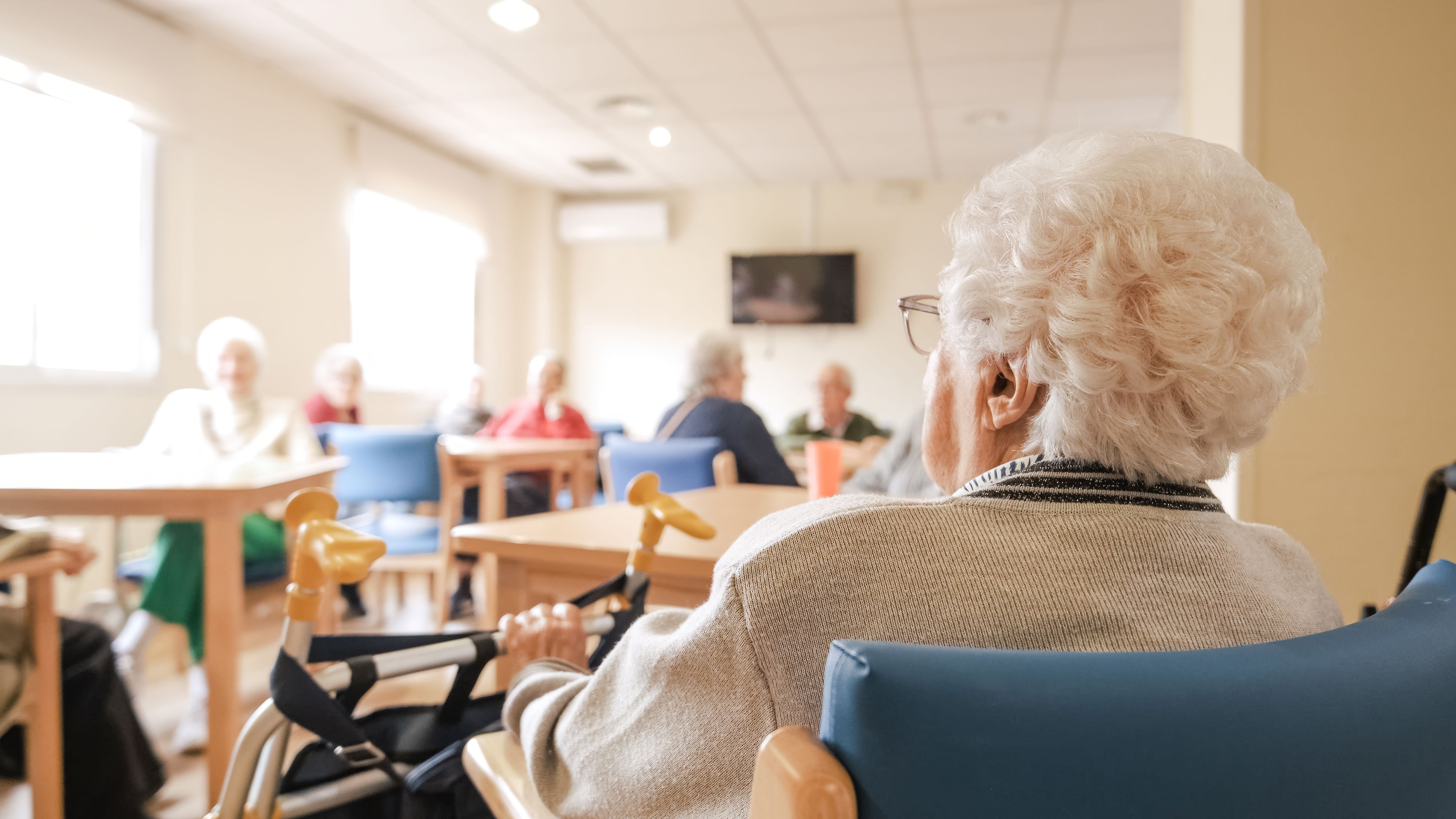
Ensuring a high quality of life is a priority for many families. Senior care facilities in Omaha often offer a range of activities designed to engage and enrich the lives of their residents. These activities can include everything from exercise classes to art workshops.
Social interaction is also a key component, with many facilities organizing group outings and events. This social aspect helps combat loneliness and promotes a sense of community among residents.
Health and Safety Considerations
Another common concern is the health and safety measures in place at senior care facilities. Families want to ensure that their loved ones are in a safe environment, especially in terms of medical care and emergency preparedness.
Most facilities are equipped with 24/7 medical staff and have protocols for handling emergencies. It's important to inquire about these measures during your visits to ensure peace of mind.
Making the Transition
The transition to senior care can be challenging for both seniors and their families. It's essential to approach this process with empathy and understanding. Involving your loved one in decision-making can help ease the transition.
Consider gradually introducing your loved one to the new environment, allowing for visits and participation in activities before the move. This gradual adjustment can make the transition smoother and less stressful.