The Role of In-Home Caregivers in Enhancing Senior Well-being
Understanding In-Home Caregiving
In-home caregivers play a crucial role in enhancing the well-being of seniors by providing personalized and compassionate care. As the senior population grows, the demand for in-home caregiving services has increased significantly. These caregivers offer a range of services that help seniors maintain their independence while ensuring their safety and health.
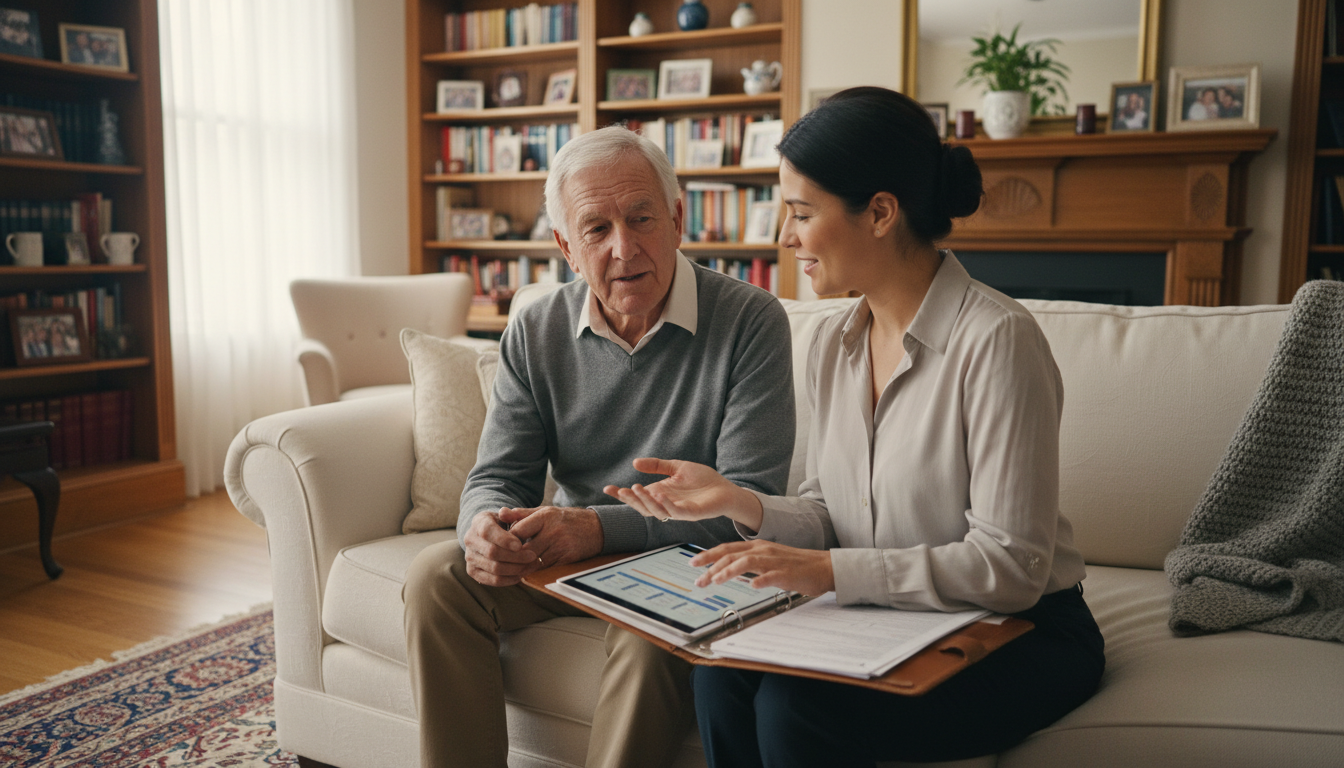
In-home caregivers assist with various daily activities, from personal hygiene to meal preparation. By addressing these needs, caregivers help seniors maintain a sense of dignity and autonomy. This personalized attention is invaluable for those who prefer to age in the comfort of their own homes rather than move to a residential care facility.
The Impact on Physical Health
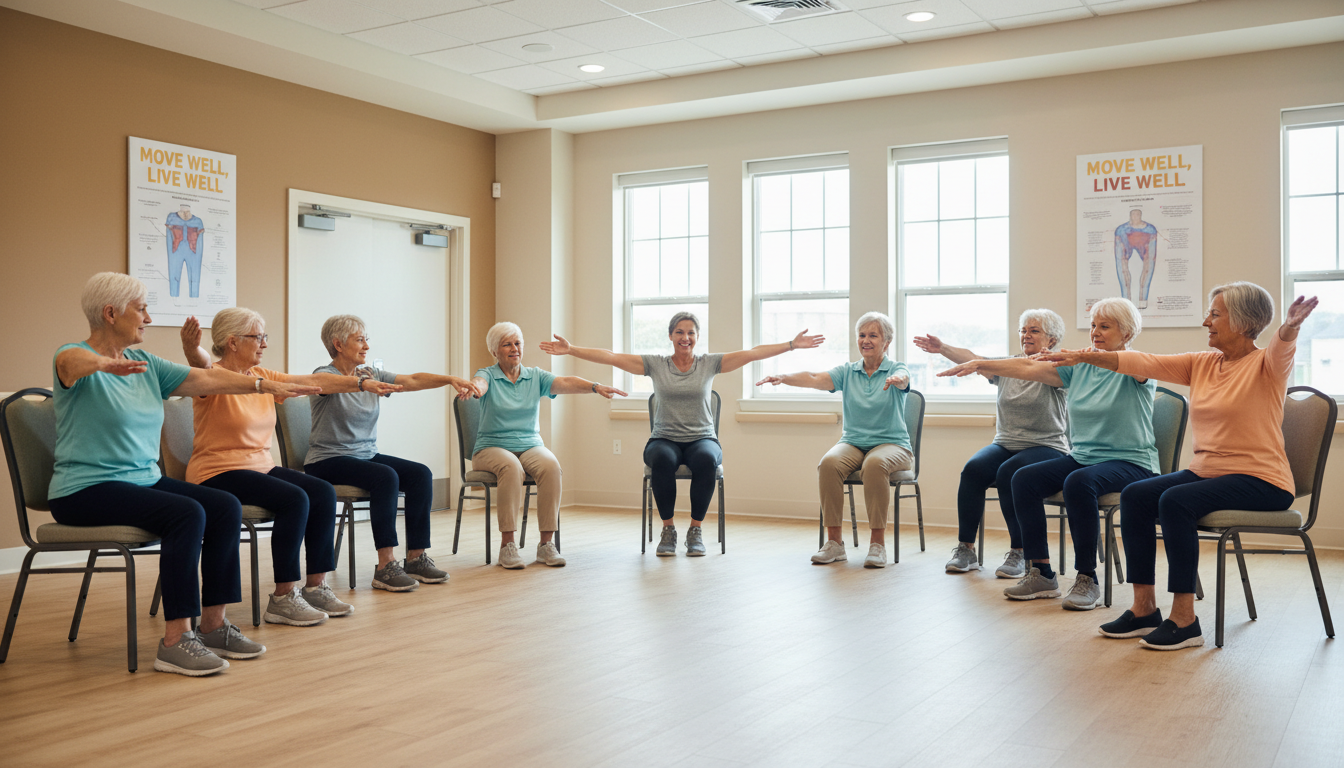
Physical health is a primary concern for seniors, and in-home caregivers play a vital role in promoting it. They assist with mobility and exercise, ensuring that seniors remain active and engaged. Regular physical activity is essential for maintaining strength, balance, and overall health.
Moreover, caregivers often manage medication schedules, ensuring that seniors take their prescriptions correctly and on time. This oversight prevents potential health complications and supports overall well-being.
Nutrition and Meal Preparation
A balanced diet is critical for seniors, and in-home caregivers help by preparing nutritious meals tailored to individual dietary needs. They often work with nutritionists to create meal plans that address specific health concerns, such as diabetes or heart disease.
By handling grocery shopping and meal preparation, caregivers ensure that seniors receive the nutrients they need without the stress and physical exertion associated with cooking.
Emotional and Social Support
Besides physical care, in-home caregivers provide essential emotional and social support. Loneliness and isolation are common issues among seniors, and caregivers offer companionship and conversation, which can significantly enhance mental health and overall happiness.

Caregivers often facilitate social activities, encouraging seniors to engage with friends, family, and community events. This engagement helps combat feelings of isolation and fosters a sense of belonging and purpose.
Personalized and Compassionate Care
One of the greatest benefits of in-home caregiving is the ability to offer personalized care. Caregivers build strong relationships with seniors, understanding their preferences, habits, and needs. This relationship fosters a supportive environment where seniors feel valued and understood.
Compassionate care is not just about meeting physical needs; it’s about providing emotional support, understanding, and patience. This holistic approach is what sets in-home caregiving apart and makes it a preferred choice for many families.
Conclusion
In-home caregivers play an indispensable role in enhancing the well-being of seniors. They provide comprehensive support that addresses physical, emotional, and social needs, allowing seniors to age gracefully and with dignity. As the demand for their services continues to grow, the positive impact of caregivers on senior health and happiness becomes increasingly apparent.