Myths About Non-Medical Home Care: What Families Really Need to Know
Understanding Non-Medical Home Care
When it comes to caring for a loved one, many families explore the option of non-medical home care. Despite its growing popularity, several myths and misconceptions persist about this type of care. Understanding what non-medical home care truly entails can help families make informed decisions.
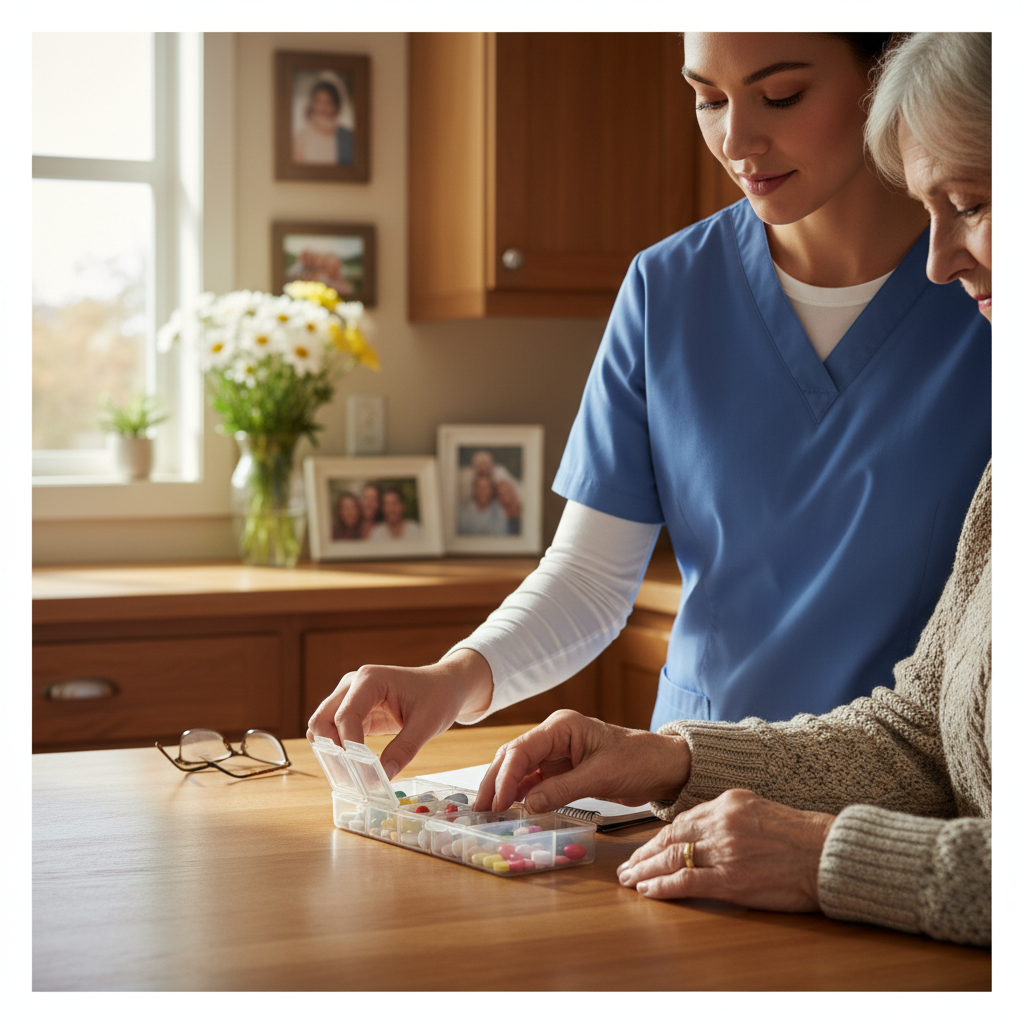
Myth 1: Non-Medical Home Care Is Just for the Elderly
One common misconception is that non-medical home care is exclusively for the elderly. While older adults often benefit from these services, individuals of any age who require assistance due to illness, disability, or injury can also take advantage of non-medical care. It provides valuable support to anyone needing help with daily activities.
Myth 2: It's Too Expensive
Another prevailing myth is that non-medical home care is prohibitively expensive. In reality, it can be a cost-effective solution compared to residential care facilities or constant hospitalization. Many services offer flexible plans tailored to meet varying needs and budgets, making it accessible to more families.
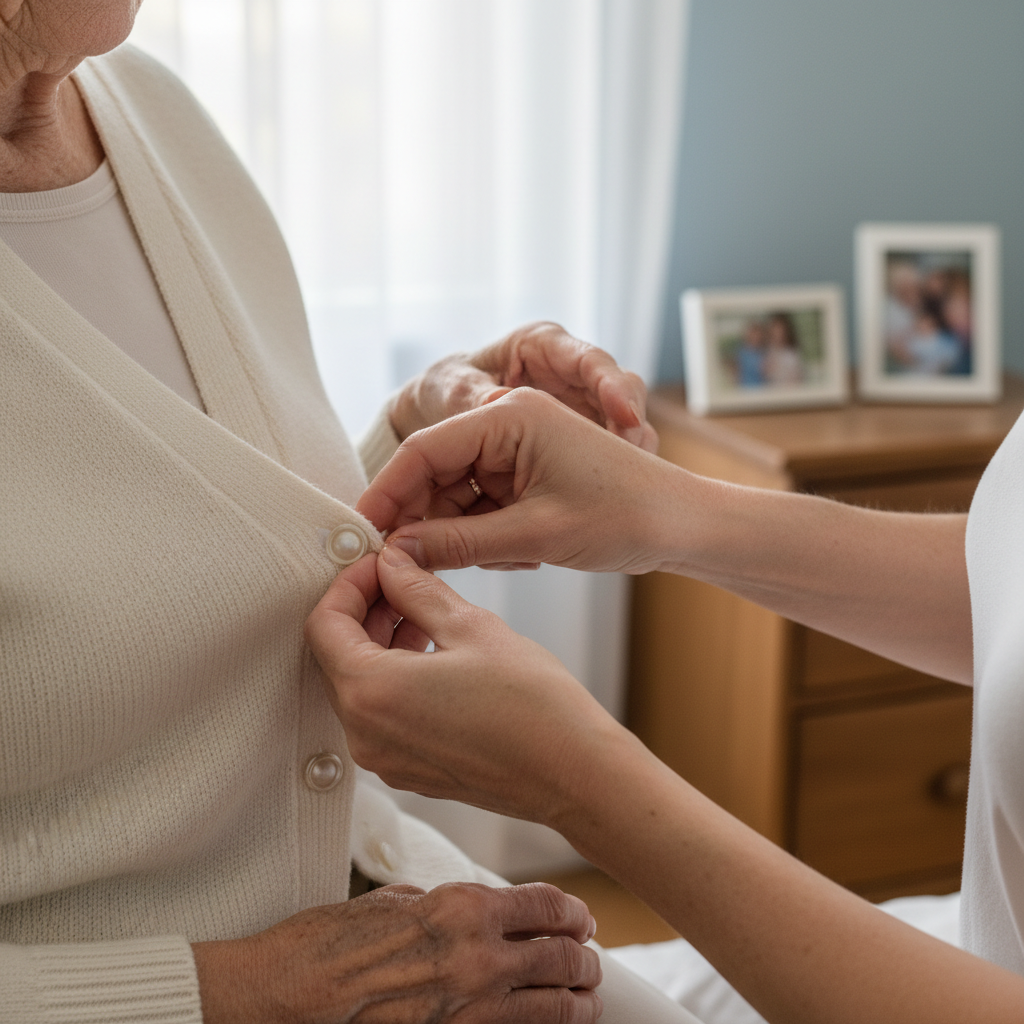
What Non-Medical Home Care Really Offers
Non-medical home care focuses on providing support with daily living activities, such as bathing, dressing, meal preparation, and household chores. It also offers companionship, which can significantly improve the quality of life for those feeling isolated or lonely.
Myth 3: Non-Medical Caregivers Are Untrained
This myth couldn't be further from the truth. Non-medical caregivers typically undergo comprehensive training to ensure they can provide high-quality care. Many agencies also conduct background checks, offering families peace of mind about the caregivers entering their homes.
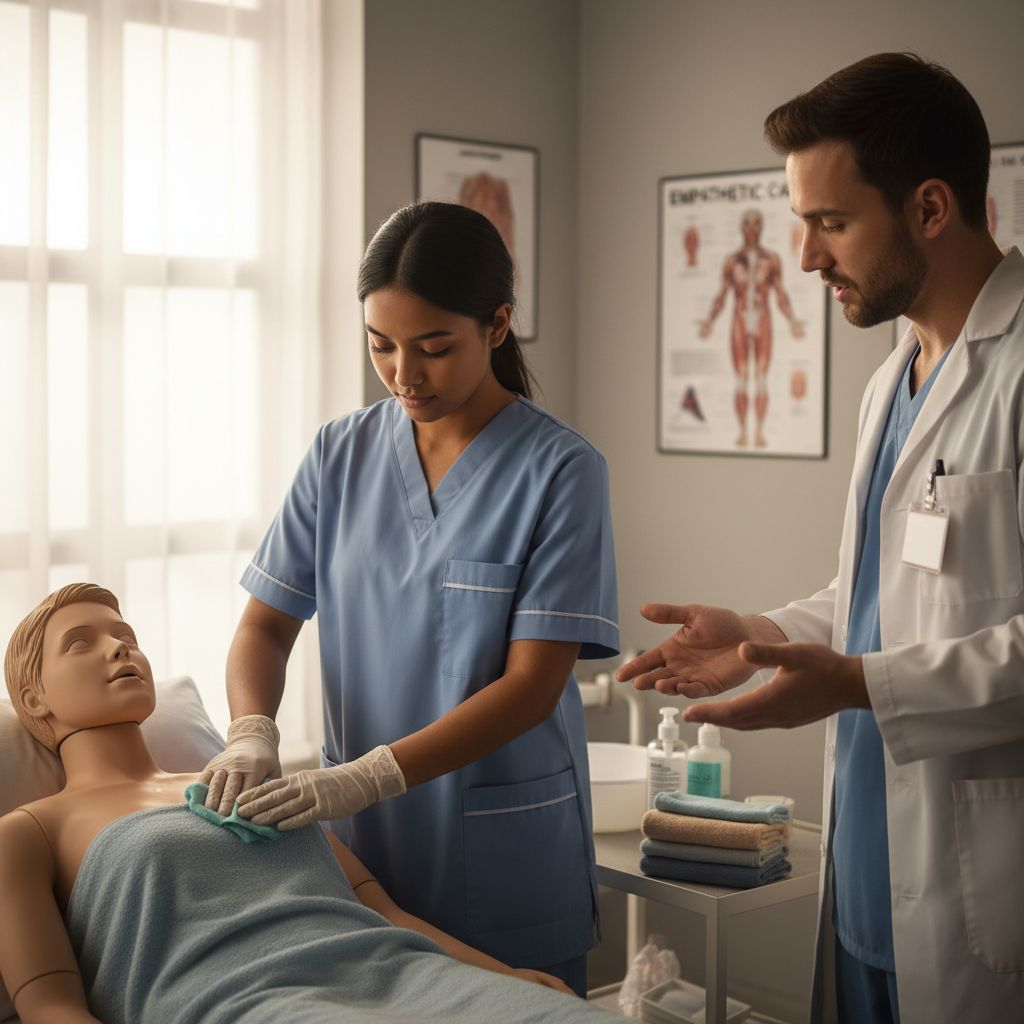
Myth 4: It's a One-Size-Fits-All Service
Families often believe that non-medical home care is a standardized service. However, care plans are highly personalized and designed to meet the specific needs of each individual. This customization ensures that the care provided aligns with the unique preferences and requirements of the person receiving it.
Benefits Beyond Caregiving
Beyond physical assistance, non-medical home care provides emotional and social support. Caregivers often become trusted companions, reducing feelings of loneliness and contributing to overall well-being. This holistic approach helps maintain a sense of independence and dignity for those receiving care.
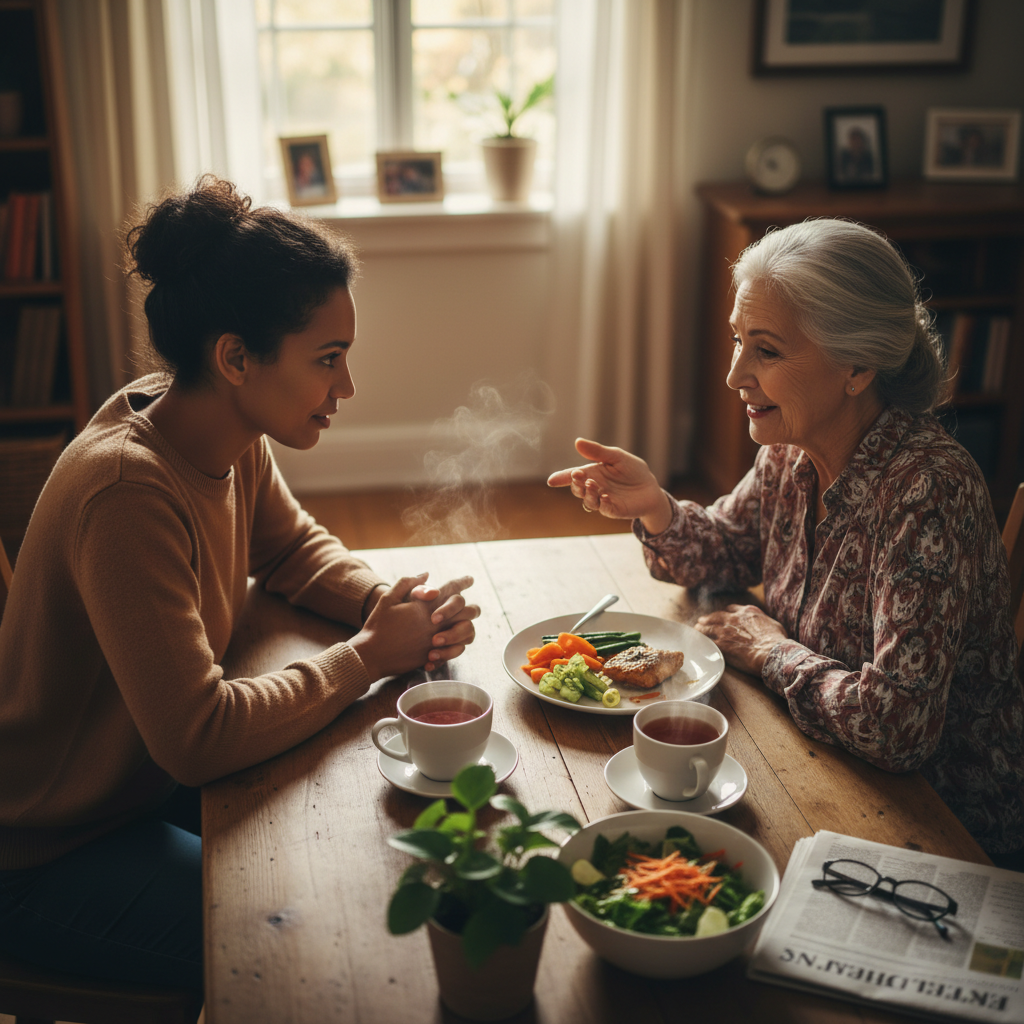
In summary, non-medical home care is a versatile and valuable service that offers numerous benefits beyond just physical assistance. By debunking these myths, families can better appreciate the true value and flexibility of non-medical home care, making it a viable option for many.