Myths About In-Home Elderly Support in Nebraska: What You Need to Know
Understanding In-Home Elderly Support
When it comes to in-home elderly support, many misconceptions can cloud our understanding of what it truly entails. In Nebraska, where a growing number of families seek these services, it's essential to separate fact from fiction. By addressing common myths, we can better appreciate the benefits of in-home support for our loved ones.
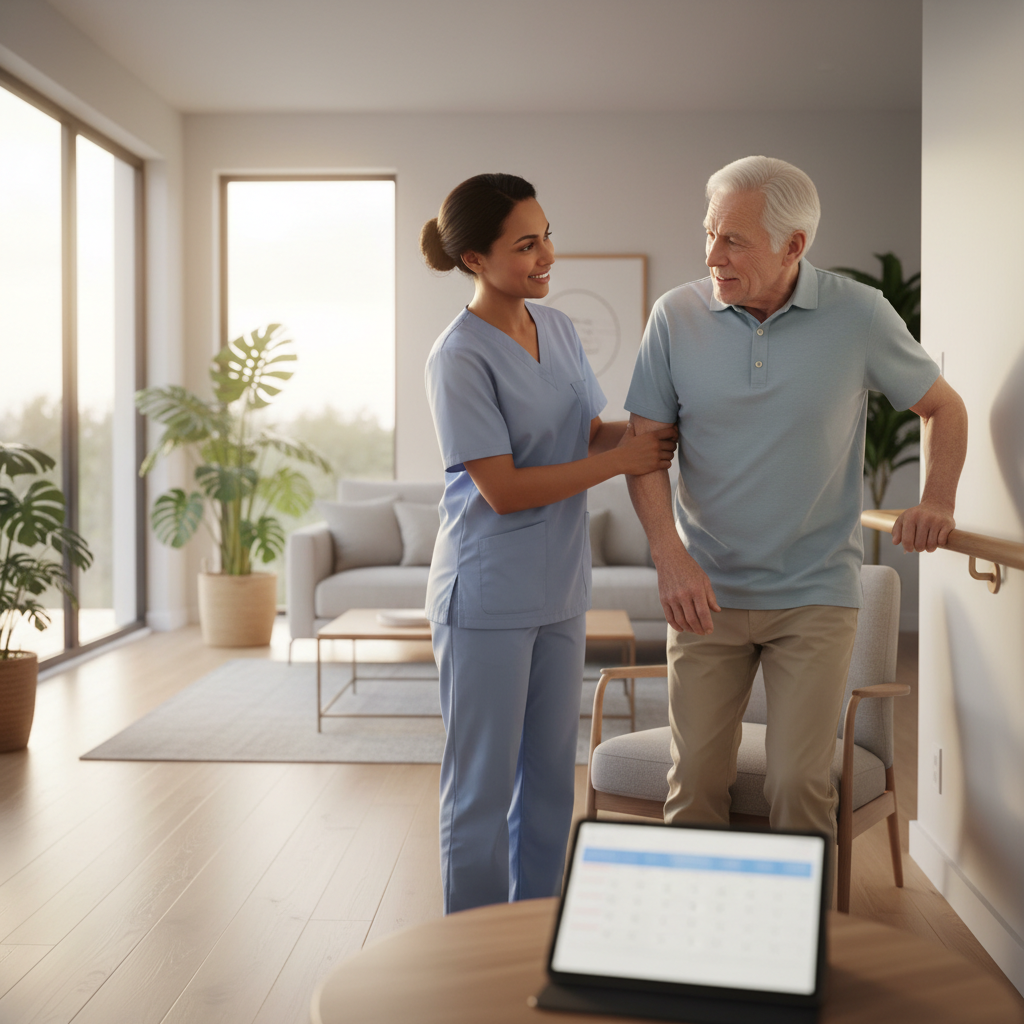
Myth 1: In-Home Support Means Loss of Independence
A prevalent myth is that opting for in-home support diminishes an elderly person's independence. In reality, these services are designed to empower seniors by providing assistance with daily activities, allowing them to continue living in their own homes comfortably. Caregivers focus on enhancing autonomy rather than restricting it, fostering a sense of dignity and self-reliance.
Moreover, in-home support can be customized to the individual's needs, ensuring that they receive only the assistance necessary. This flexibility allows seniors to maintain control over their daily routines and decisions, countering the notion of lost independence.
Myth 2: In-Home Care Is Only for the Very Ill
Another common misconception is that in-home support is solely for those with significant health issues. While it's true that individuals with medical needs can benefit greatly, these services are not limited to them. Many seniors who require help with household chores, meal preparation, or transportation also find in-home support invaluable.

In-home care is versatile, catering to a wide range of needs from companionship to specialized medical care. This adaptability makes it a viable option for many seniors, regardless of their health status.
Myth 3: In-Home Support Is Too Expensive
Cost concerns often deter families from considering in-home support, but it's important to note that it can be more affordable than other long-term care options. In Nebraska, various programs and services can help offset expenses, making it accessible for families with different budgets.
- Medicare and Medicaid may cover certain types of in-home care.
- Long-term care insurance policies often include provisions for home care services.
- Veterans may qualify for additional support through VA benefits.

Myth 4: Caregivers Will Not Provide Quality Care
Some people worry about the quality of care their loved ones will receive from in-home providers. It's crucial to understand that professional caregivers are trained and often certified to deliver high-quality care. Agencies in Nebraska adhere to strict standards, ensuring that caregivers are skilled, compassionate, and reliable.
Families can also take part in the selection process, allowing them to choose a caregiver who best matches their loved one's personality and needs, further enhancing the quality and comfort of care.
The Reality of In-Home Elderly Support
Debunking these myths helps clarify the true nature and benefits of in-home elderly support. By understanding the flexibility, affordability, and quality it offers, families in Nebraska can make informed decisions about the care of their loved ones. Embracing in-home support can enhance the lives of seniors, providing them with the assistance they need while preserving their independence and dignity.