Expert Advice: Understanding Non-Medical Care Needs for Seniors
Understanding Non-Medical Care for Seniors
As our loved ones age, their care needs often extend beyond medical support. Non-medical care plays a crucial role in maintaining their quality of life, ensuring they remain comfortable and engaged. This type of care focuses on everyday tasks and companionship, allowing seniors to stay in their homes longer and lead fulfilling lives.
What is Non-Medical Care?
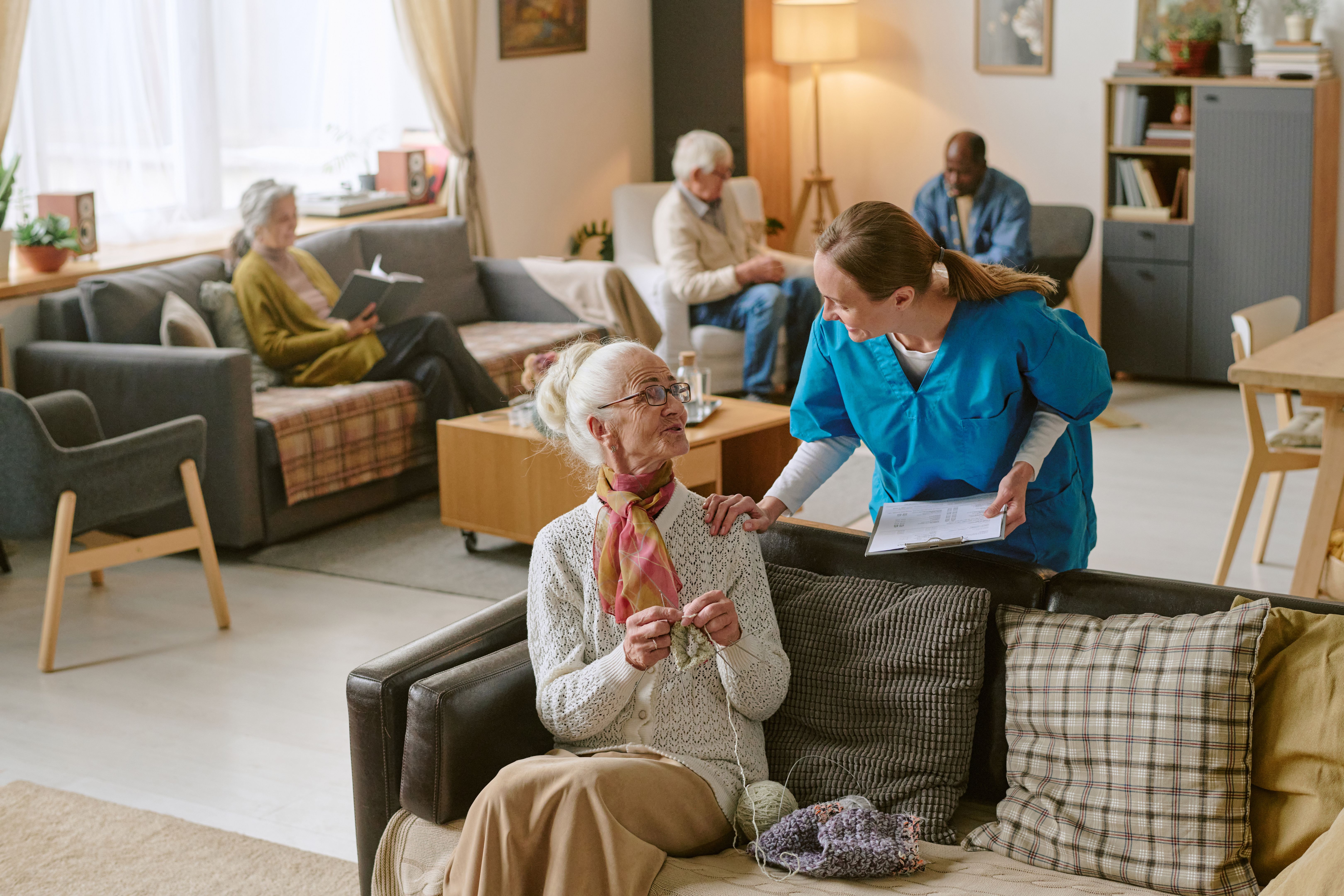
Non-medical care encompasses a variety of services that assist seniors with daily living activities. These services do not require medical training but instead focus on providing support for routine tasks. Some common services include assistance with bathing, dressing, meal preparation, and transportation to appointments.
This type of care also includes emotional support and companionship, which are vital for mental health and wellbeing. By offering a friendly presence and a listening ear, caregivers can significantly enhance a senior's quality of life.

Benefits of Non-Medical Care
There are numerous benefits to non-medical care for seniors. First and foremost, it allows them to remain in the comfort of their own homes, promoting independence and dignity. It also provides peace of mind for family members, knowing their loved ones are receiving the support they need.
Another significant advantage is the personalized attention seniors receive. Caregivers can tailor their services to meet individual preferences and needs, ensuring a more satisfying and effective care experience. This personalized approach can lead to improved overall health and happiness.
Choosing the Right Caregiver
Selecting the right caregiver is crucial for ensuring the best possible support for your loved one. When searching for a caregiver, consider their experience, references, and compatibility with the senior’s personality and needs. It's important to conduct interviews and trial periods to ensure a good fit.
Some families opt for agencies that provide vetted caregivers, while others may choose to hire independently. In either case, open communication and regular check-ins are essential to maintain a high standard of care.
Non-Medical Care and Technology
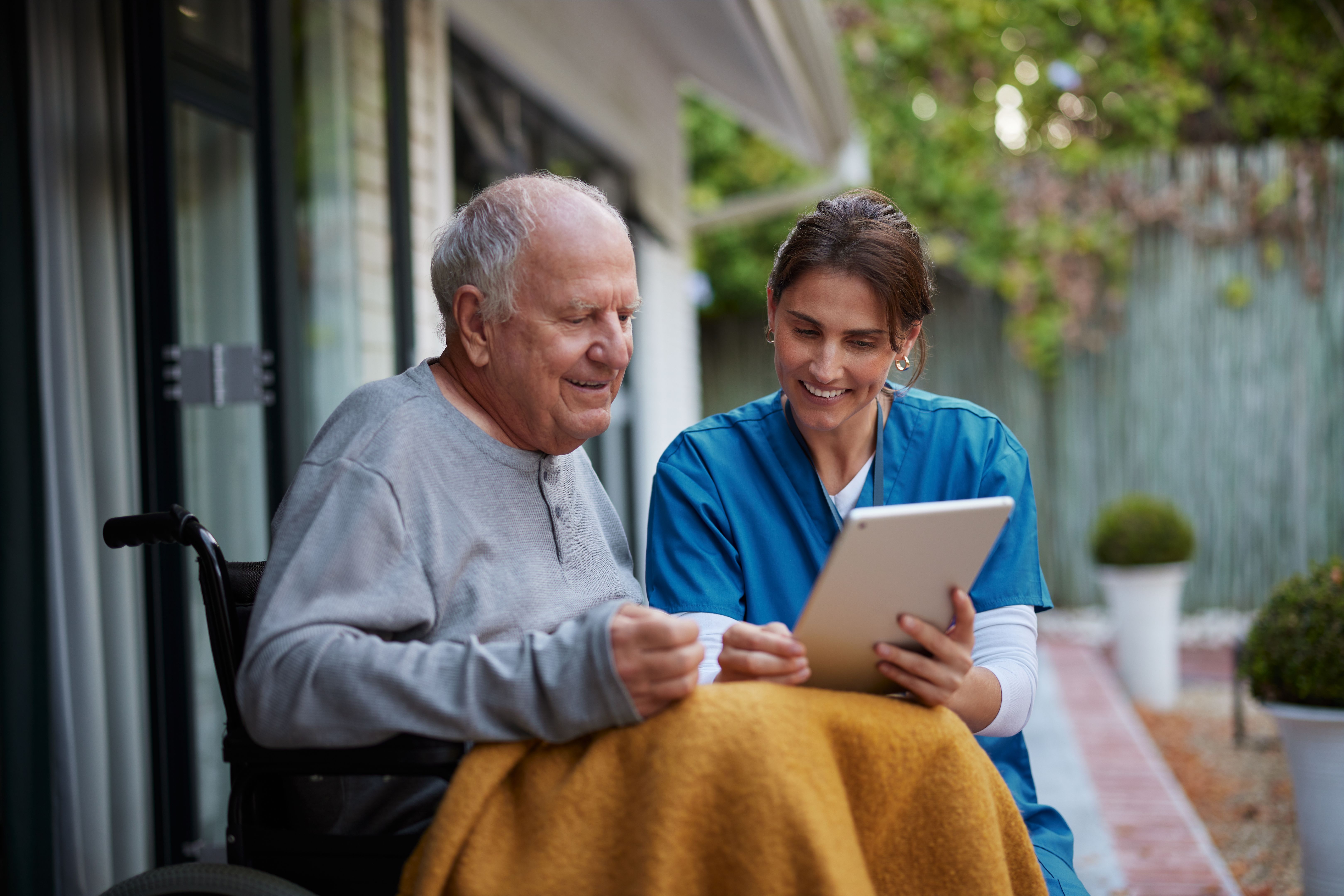
Technology has become a valuable tool in non-medical care, offering new ways to enhance support for seniors. From video calls that keep seniors connected with family to apps that track medication schedules, technology can help streamline and improve care.
Furthermore, wearable devices can monitor vital signs and alert caregivers to potential issues, providing an added layer of security. Embracing these innovations can lead to more efficient and responsive care.

Conclusion
Understanding non-medical care needs is essential for providing comprehensive support to our aging loved ones. By focusing on daily living activities, companionship, and leveraging technology, we can ensure seniors lead safe, comfortable, and enriched lives. Whether you're a family member or a professional caregiver, prioritizing these aspects can make a significant difference in the lives of seniors.