Comprehensive Guide to Post-Surgical Home Care in Omaha
Understanding Post-Surgical Home Care
Recovering from surgery can be a challenging experience, but proper home care can significantly enhance the healing process. In Omaha, there are numerous resources and guidelines to help ensure a smooth recovery. This comprehensive guide will walk you through the essential aspects of post-surgical home care, ensuring you're well-prepared to assist yourself or a loved one.
Preparing Your Home for Recovery
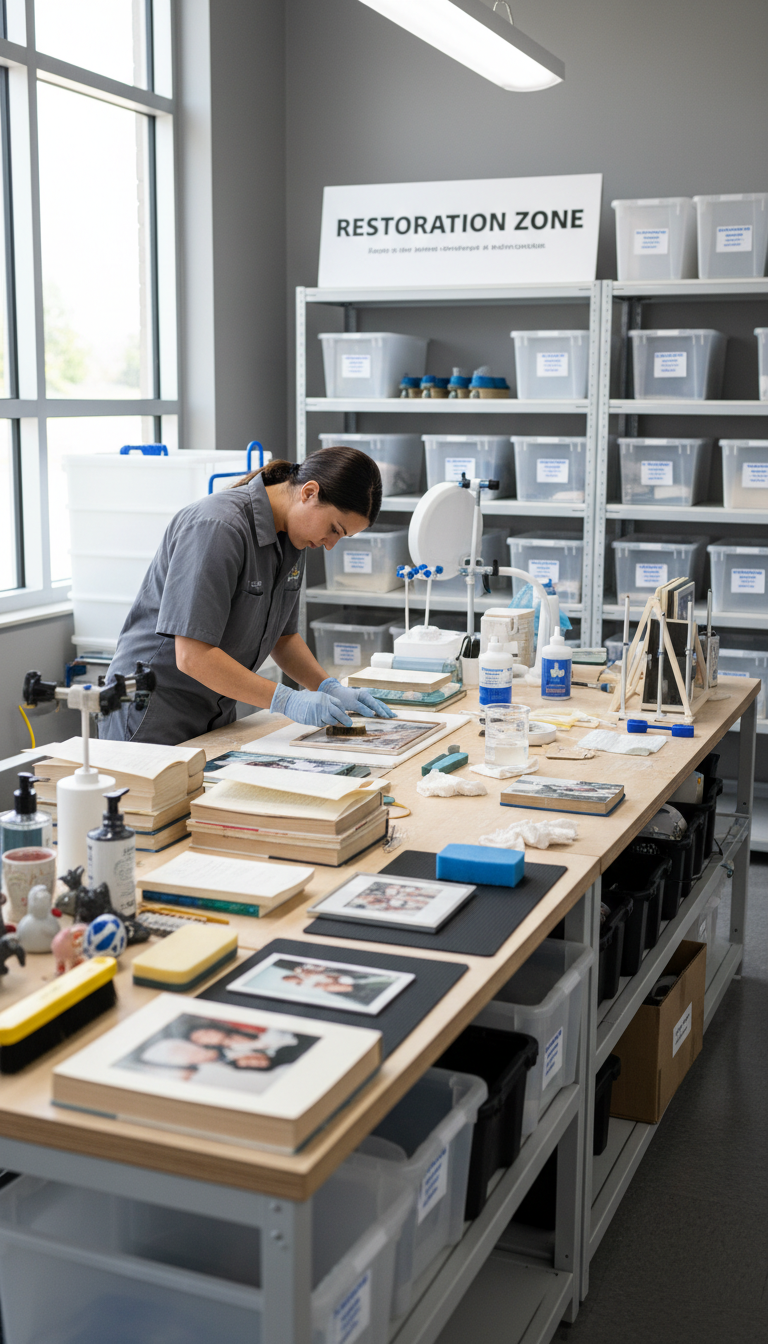
Before returning from the hospital, it's crucial to make your home a safe and comfortable environment for recovery. Start by organizing essential items within easy reach, such as medications, water, and medical supplies. Consider rearranging furniture to create clear pathways, reducing the risk of falls and unnecessary strain.
If mobility is an issue, setting up a recovery area on the ground floor can be beneficial. Ensure that the space is well-lit and equipped with comfortable seating and sleeping arrangements. Installing handrails in the bathroom and other high-traffic areas can also provide additional support.

Essential Post-Surgical Supplies
Having the right supplies on hand is vital for effective post-surgical care. Some essential items include:
- Medications: Ensure prescriptions are filled promptly and taken as directed.
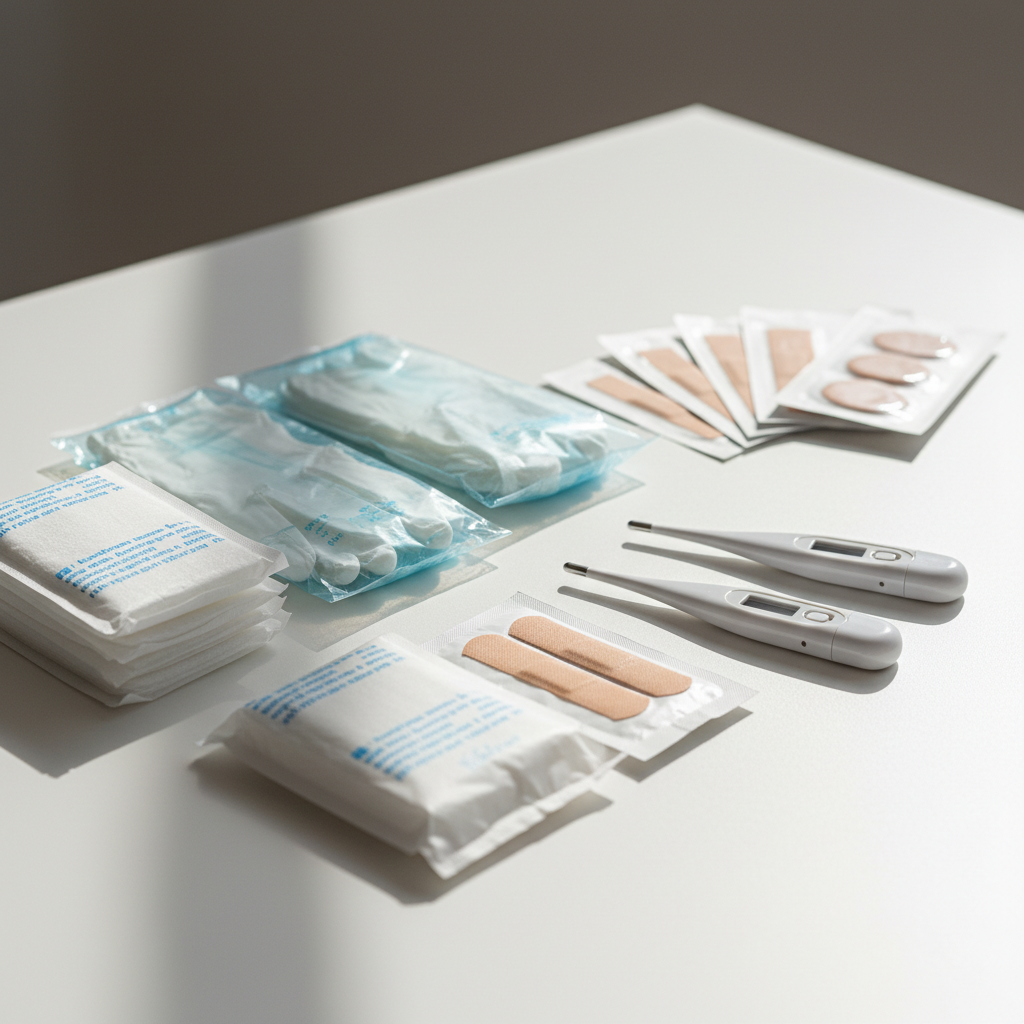
- First Aid Supplies: Bandages, antiseptics, and other wound care items.
- Mobility Aids: Crutches, walkers, or wheelchairs if needed.
- Nutritional Supplements: High-protein snacks and drinks to support healing.
Managing Pain and Discomfort
Pain management is a critical component of post-surgical care. Follow your doctor's instructions regarding pain medication closely. Over-the-counter options like acetaminophen or ibuprofen may also be recommended to manage discomfort.
Non-pharmaceutical methods can complement medication. These include applying ice packs to reduce swelling, using pillows to elevate the affected area, and practicing relaxation techniques such as deep breathing or meditation.
Nutritional Considerations
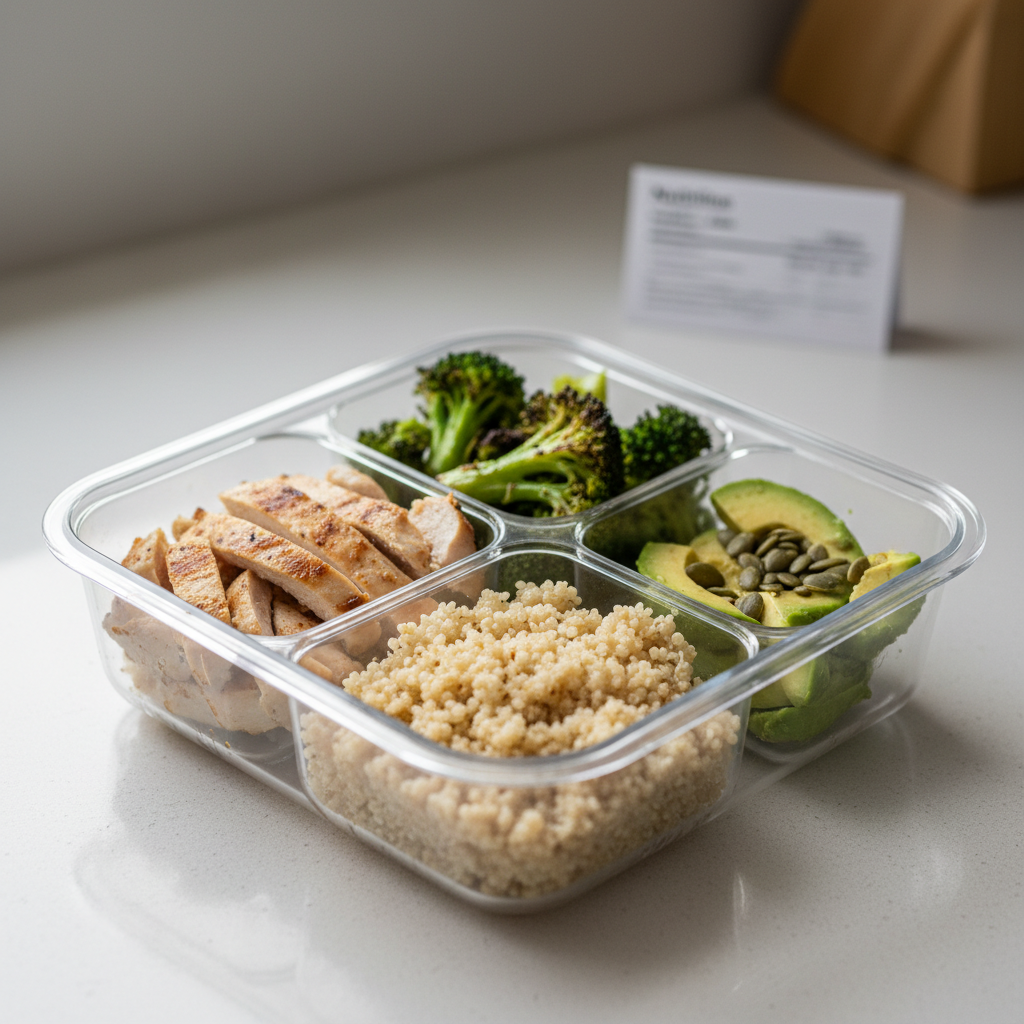
Nutrition plays a vital role in recovery. A balanced diet rich in vitamins, minerals, and proteins can accelerate the healing process. Aim to include plenty of fruits, vegetables, lean meats, and whole grains in your meals.
Staying hydrated is equally important. Ensure you drink plenty of water and avoid excessive caffeine or alcohol, as these can interfere with healing and medication efficacy.
Monitoring and Follow-Up
Regular monitoring of surgical sites for signs of infection, such as redness, swelling, or unusual discharge, is crucial. If you notice any concerning symptoms, contact your healthcare provider immediately.
Attend all scheduled follow-up appointments to ensure your recovery is on track. These visits allow healthcare professionals to assess your progress and make necessary adjustments to your care plan.
Support Systems and Resources
Utilizing support systems can greatly ease the recovery process. Friends, family, and professional caregivers can offer assistance with daily tasks, transportation, and emotional support. In Omaha, numerous community resources and support groups are available to provide additional help and guidance.
Don't hesitate to reach out for assistance when needed. Recovering from surgery is a journey, and having a strong support network can make all the difference.